Buy faltenbälge.eu ?
We are moving the project
faltenbälge.eu .
Are you interested in purchasing the domain
faltenbälge.eu ?
domain@kv-gmbh.de · 0541-91531010
Buy faltenbälge.eu ?
Are photons electrons?
No, photons are not electrons. Photons are elementary particles that make up light and electromagnetic radiation, while electrons are negatively charged subatomic particles that are part of atoms. Photons have no mass and travel at the speed of light, while electrons have mass and are bound to the nucleus of an atom. **
What happens to photons?
Photons are elementary particles that make up light. They do not have mass and travel at the speed of light. When photons interact with matter, they can be absorbed, reflected, or transmitted. Absorption of photons can result in the excitation of electrons, leading to various physical and chemical processes. **
Similar search terms for Photons
Top-Angebote
Products related to Photons:
-
Uplift Essentials UV Protection Cooling Arm Sleeves And High Agility Sports Covers UV Protection Cooling Arm Sleeves And High Agility Sports CoversConquer your outdoor adventures and shield your skin from the harsh elements with our premium highperformance protection. Masterfully designed for both men and women, these ultralightweight cooling arm sleeves deliver a dual layer of defense by...55,97 $*Shipping: 0,00 $Secure redirect to the provider
-
Inspire Daily Merch Multicolored Silicone Lids For Mug And Tea Pot, Flexible Covers For Hot Cups Multicolored Silicone Lids For Mug And Tea Pot, Flexible Covers For Hot CupsProtect Your Drink with Multicolored Silicone Lids Keep your coffee, tea, or any hot beverage fresh and covered with these 3pcs Silicone Cup Covers. Designed for use with mugs, tea pots, and coffee cups, these multicolored silicone lids are the...29,97 $*Shipping: 0,00 $Secure redirect to the provider
-
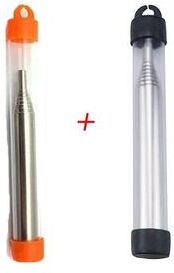
Multicon Wholesale Hub Collapsible Camping Fire Blow Tube Pocket Bellows For Campfires And Survival Kits Collapsible Camping Fire Blow Tube Pocket Bellows For Campfires And Survival KitsGet your fire going faster without leaning into smoke and sparks. This camping fire blow tube set is made for campers, hikers, backpackers, and outdoor survival kits that need a compact tool with real usefulness. Each telescopic fire bellow helps...54,97 $*Shipping: 0,00 $Secure redirect to the provider
-
Drop Dash Deals Magnetic Window Sun Shades, Car Privacy Covers For Front & Rear, UV Protection Shield Magnetic Window Sun Shades, Car Privacy Covers For Front & Rear, UV Protection ShieldSuperior Privacy Protection: Enhance your privacy during car rides with these 4 pcs Magnetic Car Window Shades. These shades effectively shield you and your passengers from prying eyes, allowing you to read, relax, or even sleep without concern....49,97 $*Shipping: 0,00 $Secure redirect to the provider



-
How are photons created?
Photons are created through a process called electromagnetic radiation. This occurs when an atom absorbs energy, causing its electrons to move to a higher energy level. When the electrons return to their original energy level, they release the absorbed energy in the form of photons. This process can happen in various ways, such as through thermal radiation, chemical reactions, or nuclear reactions. **
-
How can one convert the energy of different photons into monochromatic photons?
One way to convert the energy of different photons into monochromatic photons is through a process called frequency doubling or second harmonic generation. This involves passing the photons through a nonlinear crystal, which causes the photons to combine and create new photons with double the frequency and half the wavelength of the original photons. This results in monochromatic photons with a single, specific wavelength. Another method is through the use of filters or monochromators, which can selectively filter out photons of specific wavelengths, allowing only monochromatic photons to pass through. **
-
How far do photons travel?
Photons, as particles of light, travel at the speed of light in a vacuum, which is approximately 299,792 kilometers per second. This means that photons can travel vast distances in a very short amount of time. However, their travel distance can be affected by factors such as absorption, reflection, and scattering, which can cause them to be absorbed or redirected before reaching their destination. **
-
What distinguishes photons and protons?
Photons are elementary particles that carry electromagnetic radiation, such as light, while protons are subatomic particles found in the nucleus of an atom. Photons have no mass and travel at the speed of light, while protons have mass and are composed of quarks. Additionally, photons do not have an electric charge, while protons have a positive electric charge. **


Why can photons penetrate matter?
Photons can penetrate matter because they do not have an electric charge and are not affected by electromagnetic forces within the material. Additionally, photons do not have mass, allowing them to travel at the speed of light and pass through matter without being absorbed or deflected. This property of photons enables them to interact with atoms and molecules in the material, leading to phenomena such as absorption, reflection, and transmission. **
How can photons have mass?
Photons are massless particles according to the Standard Model of particle physics. They travel at the speed of light and have zero rest mass. However, in certain theoretical models beyond the Standard Model, such as some versions of string theory, it is possible for photons to acquire a small amount of mass through interactions with other particles or fields. This mass is typically very small and has not been experimentally observed. **
Top-Angebote
Products related to Photons:
-
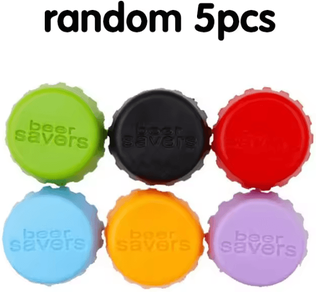
Inspire Curations Reusable Silicone Bottle Cap Covers Airtight Bottle Seals For Beer, Soda & Beverage Bottles random 5pcsKeep your favorite drinks fresh for longer with these silicone bottle cap covers. Designed to create a secure, airtight seal, these flexible bottle covers help preserve the carbonation and freshness of beer, soda, juice, vinegar, soy sauce, and...40,50 $*Shipping: 0,00 $Secure redirect to the provider
-
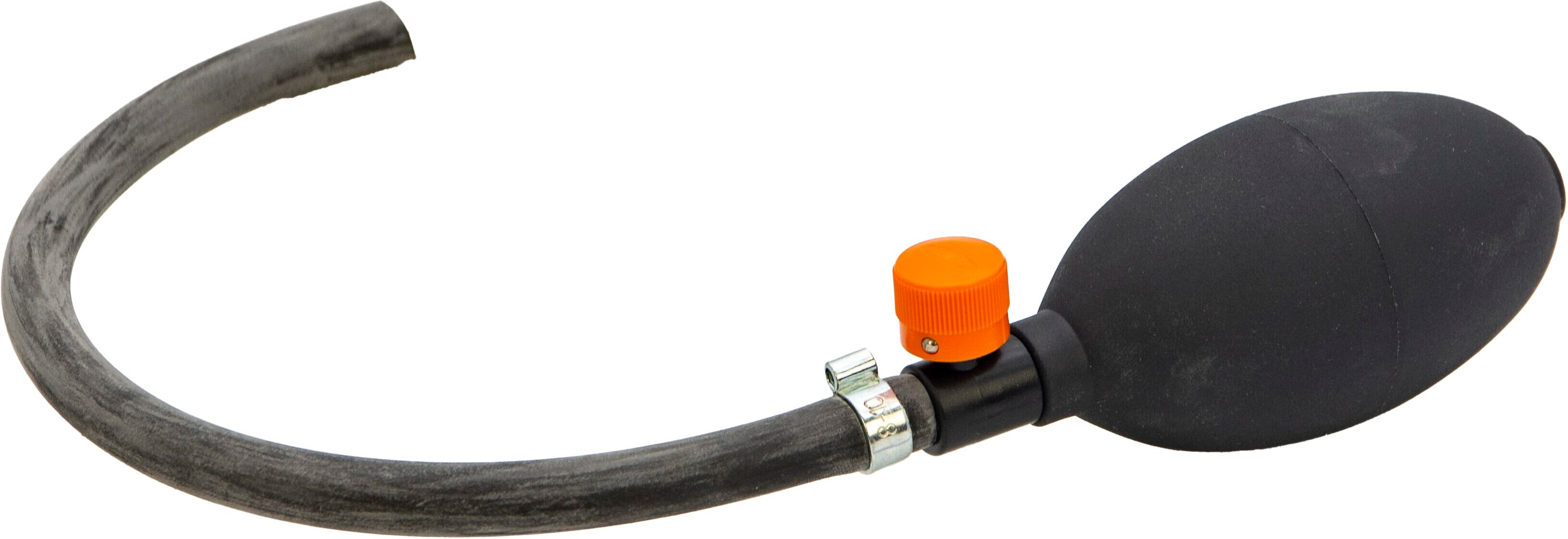
Hamilton Gas Products Ltd Hand Bellows with TapHand bellows for pressurising systems for test. It has a plain bore tube which fits over a suitable nozzle. The tap allows air to be released slowly, so adjusting the pressure to the required level (after slightly overpressurising the system).24,00 £*Shipping: 5,00 £Secure redirect to the provider
-
Uplift Essentials UV Protection Cooling Arm Sleeves And High Agility Sports Covers UV Protection Cooling Arm Sleeves And High Agility Sports CoversConquer your outdoor adventures and shield your skin from the harsh elements with our premium highperformance protection. Masterfully designed for both men and women, these ultralightweight cooling arm sleeves deliver a dual layer of defense by...55,97 $*Shipping: 0,00 $Secure redirect to the provider
-
Inspire Daily Merch Multicolored Silicone Lids For Mug And Tea Pot, Flexible Covers For Hot Cups Multicolored Silicone Lids For Mug And Tea Pot, Flexible Covers For Hot CupsProtect Your Drink with Multicolored Silicone Lids Keep your coffee, tea, or any hot beverage fresh and covered with these 3pcs Silicone Cup Covers. Designed for use with mugs, tea pots, and coffee cups, these multicolored silicone lids are the...29,97 $*Shipping: 0,00 $Secure redirect to the provider
-
Are photons electrons?
No, photons are not electrons. Photons are elementary particles that make up light and electromagnetic radiation, while electrons are negatively charged subatomic particles that are part of atoms. Photons have no mass and travel at the speed of light, while electrons have mass and are bound to the nucleus of an atom. **
-
What happens to photons?
Photons are elementary particles that make up light. They do not have mass and travel at the speed of light. When photons interact with matter, they can be absorbed, reflected, or transmitted. Absorption of photons can result in the excitation of electrons, leading to various physical and chemical processes. **
-
How are photons created?
Photons are created through a process called electromagnetic radiation. This occurs when an atom absorbs energy, causing its electrons to move to a higher energy level. When the electrons return to their original energy level, they release the absorbed energy in the form of photons. This process can happen in various ways, such as through thermal radiation, chemical reactions, or nuclear reactions. **
-
How can one convert the energy of different photons into monochromatic photons?
One way to convert the energy of different photons into monochromatic photons is through a process called frequency doubling or second harmonic generation. This involves passing the photons through a nonlinear crystal, which causes the photons to combine and create new photons with double the frequency and half the wavelength of the original photons. This results in monochromatic photons with a single, specific wavelength. Another method is through the use of filters or monochromators, which can selectively filter out photons of specific wavelengths, allowing only monochromatic photons to pass through. **
Similar search terms for Photons
-
Multicon Wholesale Hub Collapsible Camping Fire Blow Tube Pocket Bellows For Campfires And Survival Kits Collapsible Camping Fire Blow Tube Pocket Bellows For Campfires And Survival KitsGet your fire going faster without leaning into smoke and sparks. This camping fire blow tube set is made for campers, hikers, backpackers, and outdoor survival kits that need a compact tool with real usefulness. Each telescopic fire bellow helps...54,97 $*Shipping: 0,00 $Secure redirect to the provider
-
Drop Dash Deals Magnetic Window Sun Shades, Car Privacy Covers For Front & Rear, UV Protection Shield Magnetic Window Sun Shades, Car Privacy Covers For Front & Rear, UV Protection ShieldSuperior Privacy Protection: Enhance your privacy during car rides with these 4 pcs Magnetic Car Window Shades. These shades effectively shield you and your passengers from prying eyes, allowing you to read, relax, or even sleep without concern....49,97 $*Shipping: 0,00 $Secure redirect to the provider
-
Inspired Deals Cooling Cotton Pillowcase Covers For Sweat Protection And Dirt Resistance grayWake up feeling fresher and more comfortable with these soft cotton pillowcases designed for everyday relaxation and cleaner sleep. Made from breathable, skinfriendly fabric, they help reduce sweat buildup while protecting your pillows from dirt and...44,97 $*Shipping: 0,00 $Secure redirect to the provider
-
Inspire Curations Reusable Silicone Bottle Cap Covers Airtight Bottle Seals For Beer, Soda & Beverage Bottles random 20pcsKeep your favorite drinks fresh for longer with these silicone bottle cap covers. Designed to create a secure, airtight seal, these flexible bottle covers help preserve the carbonation and freshness of beer, soda, juice, vinegar, soy sauce, and...53,00 $*Shipping: 0,00 $Secure redirect to the provider
-
How far do photons travel?
Photons, as particles of light, travel at the speed of light in a vacuum, which is approximately 299,792 kilometers per second. This means that photons can travel vast distances in a very short amount of time. However, their travel distance can be affected by factors such as absorption, reflection, and scattering, which can cause them to be absorbed or redirected before reaching their destination. **
-
What distinguishes photons and protons?
Photons are elementary particles that carry electromagnetic radiation, such as light, while protons are subatomic particles found in the nucleus of an atom. Photons have no mass and travel at the speed of light, while protons have mass and are composed of quarks. Additionally, photons do not have an electric charge, while protons have a positive electric charge. **
-
Why can photons penetrate matter?
Photons can penetrate matter because they do not have an electric charge and are not affected by electromagnetic forces within the material. Additionally, photons do not have mass, allowing them to travel at the speed of light and pass through matter without being absorbed or deflected. This property of photons enables them to interact with atoms and molecules in the material, leading to phenomena such as absorption, reflection, and transmission. **
-
How can photons have mass?
Photons are massless particles according to the Standard Model of particle physics. They travel at the speed of light and have zero rest mass. However, in certain theoretical models beyond the Standard Model, such as some versions of string theory, it is possible for photons to acquire a small amount of mass through interactions with other particles or fields. This mass is typically very small and has not been experimentally observed. **
* All prices are inclusive of VAT and, if applicable, plus shipping costs. The offer information is based on the details provided by the respective shop and is updated through automated processes. Real-time updates do not occur, so deviations can occur in individual cases. ** Note: Parts of this content were created by AI.