Buy faltenbälge.eu ?
We are moving the project
faltenbälge.eu .
Are you interested in purchasing the domain
faltenbälge.eu ?
domain@kv-gmbh.de · 0541-91531010
Buy faltenbälge.eu ?
How do you calculate length expansion?
Length expansion can be calculated using the formula: ΔL = α * L0 * ΔT, where ΔL is the change in length, α is the coefficient of linear expansion, L0 is the original length, and ΔT is the change in temperature. The coefficient of linear expansion is a constant that depends on the material being measured. By multiplying the coefficient of linear expansion by the original length and the change in temperature, you can determine the change in length due to thermal expansion. **
How do you calculate the linear expansion?
Linear expansion can be calculated using the formula: ΔL = αL₀ΔT, where ΔL is the change in length, α is the coefficient of linear expansion, L₀ is the original length, and ΔT is the change in temperature. The coefficient of linear expansion is a constant that varies depending on the material being measured. By multiplying the coefficient of linear expansion by the original length and the change in temperature, you can determine the change in length of the material. **

Similar search terms for Calculate
Top-Angebote
Products related to Calculate:
-
Adjustable Self Adhesive Door Seals Soundproof & Windproof Home Protection brownTired of drafts, noise, and dust sneaking through your doors Our adjustable self adhesive door seals create a snug, reliable barrier that keeps your home quiet, cozy, and energyefficient. Perfect for homeowners who value comfort, these door bottom...49,97 $*Shipping: 0,00 $Secure redirect to the provider
-
Dishwasher Rack Protection Caps Flexible End Covers For Tines white 20pcs 0.20 0.12 0.98inKeep your dishwasher racks protected and extend their lifespan with these flexible end caps designed to cover sharp or exposed tines. Each cap fits securely over metal prongs to prevent rust scratches and accidental damage to dishes. Whether you are...34,97 $*Shipping: 0,00 $Secure redirect to the provider
-
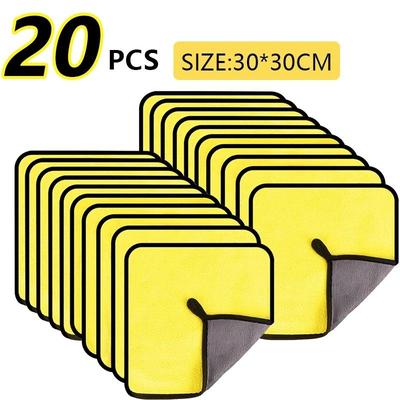
Calculate Separate Pricing For These And Show Full Listing, Do Not Rearrange The Pricing: 30 X 30 X 5 PcsInaugurate a direct energy for your environment with this integrated maintenance solution. These nano ultrafiber towels serve as a functional choice for your spatial organizational journeys, offering a highdensity alternative to standard cleaning...63,97 $*Shipping: 0,00 $Secure redirect to the provider
-
Calculate Separate Pricing For These And Show Full Listing, Do Not Rearrange The Pricing: 30 X 60 X 20 PcsInaugurate a direct energy for your environment with this integrated maintenance solution. These nano ultrafiber towels serve as a functional choice for your spatial organizational journeys, offering a highdensity alternative to standard cleaning...190,97 $*Shipping: 0,00 $Secure redirect to the provider




-
How do you calculate the length expansion?
The length expansion of a material can be calculated using the formula: ΔL = α * L0 * ΔT, where ΔL is the change in length, α is the coefficient of linear expansion, L0 is the original length, and ΔT is the change in temperature. The coefficient of linear expansion is a constant that varies depending on the material and is typically provided in the material's specifications. By multiplying the coefficient of linear expansion by the original length and the change in temperature, you can determine the change in length of the material. **
-
How do you calculate length expansion in physics?
Length expansion in physics can be calculated using the formula ΔL = αLΔT, where ΔL is the change in length, α is the coefficient of linear expansion, L is the original length, and ΔT is the change in temperature. The coefficient of linear expansion is a constant that depends on the material being measured. By multiplying the original length by the change in temperature and the coefficient of linear expansion, we can determine the change in length due to temperature. This formula is used to understand how materials expand or contract when subjected to temperature changes. **
-
How do you calculate the antifreeze protection?
To calculate the antifreeze protection level, you need to measure the freezing point of the coolant mixture. This can be done using a tool called a refractometer or a hydrometer. Once you have the freezing point measurement, you can compare it to the recommended freezing point protection level for your specific vehicle and adjust the coolant mixture accordingly by adding more antifreeze if needed. It's important to follow the manufacturer's guidelines to ensure proper protection against freezing temperatures. **
-
How to calculate the volume of air in isothermal expansion?
To calculate the volume of air in an isothermal expansion, you can use the ideal gas law equation, which states PV = nRT. In an isothermal process, the temperature remains constant, so T is constant. Therefore, the equation simplifies to PV = constant. By rearranging the equation, you can calculate the final volume of the air by dividing the initial pressure and volume by the final pressure. **


How do you calculate length expansion using Kelvin or Celsius?
To calculate length expansion using Kelvin or Celsius, you can use the formula: ΔL = α * L * ΔT, where ΔL is the change in length, α is the coefficient of linear expansion, L is the original length, and ΔT is the change in temperature. The coefficient of linear expansion varies depending on the material being measured. When using Celsius, make sure to convert the temperature change to Kelvin by adding 273.15 to the Celsius temperature. **
How do you calculate the volume of air in isothermal expansion?
To calculate the volume of air in isothermal expansion, you can use the ideal gas law equation, which states that PV = nRT. In an isothermal process, the temperature remains constant, so T is constant. Therefore, the equation simplifies to PV = constant. By rearranging the equation, you can calculate the final volume of the air by dividing the initial pressure and volume by the final pressure. **
Top-Angebote
Products related to Calculate:
-
Calculate Separate Pricing For These And Show Full Listing, Do Not Rearrange The Pricing: 30 X 30 X 20 PcsInaugurate a direct energy for your environment with this integrated maintenance solution. These nano ultrafiber towels serve as a functional choice for your spatial organizational journeys, offering a highdensity alternative to standard cleaning...153,97 $*Shipping: 0,00 $Secure redirect to the provider
-
Adjustable Self Adhesive Door Seals Multi Color For Soundproof & Windproof Protection, Double Tape Door Bottom Seals blackEnhance Your Homes Comfort with Adjustable Self Adhesive Door Seals Say goodbye to drafts and 2 pcs outside noise with our Multi Color Adjustable Self Adhesive Door Seals. These soundproof and windproof seals are designed to create a barrier against...44,97 $*Shipping: 0,00 $Secure redirect to the provider
-
Adjustable Self Adhesive Door Seals Soundproof & Windproof Home Protection brownTired of drafts, noise, and dust sneaking through your doors Our adjustable self adhesive door seals create a snug, reliable barrier that keeps your home quiet, cozy, and energyefficient. Perfect for homeowners who value comfort, these door bottom...49,97 $*Shipping: 0,00 $Secure redirect to the provider
-
Dishwasher Rack Protection Caps Flexible End Covers For Tines white 20pcs 0.20 0.12 0.98inKeep your dishwasher racks protected and extend their lifespan with these flexible end caps designed to cover sharp or exposed tines. Each cap fits securely over metal prongs to prevent rust scratches and accidental damage to dishes. Whether you are...34,97 $*Shipping: 0,00 $Secure redirect to the provider
-
How do you calculate length expansion?
Length expansion can be calculated using the formula: ΔL = α * L0 * ΔT, where ΔL is the change in length, α is the coefficient of linear expansion, L0 is the original length, and ΔT is the change in temperature. The coefficient of linear expansion is a constant that depends on the material being measured. By multiplying the coefficient of linear expansion by the original length and the change in temperature, you can determine the change in length due to thermal expansion. **
-
How do you calculate the linear expansion?
Linear expansion can be calculated using the formula: ΔL = αL₀ΔT, where ΔL is the change in length, α is the coefficient of linear expansion, L₀ is the original length, and ΔT is the change in temperature. The coefficient of linear expansion is a constant that varies depending on the material being measured. By multiplying the coefficient of linear expansion by the original length and the change in temperature, you can determine the change in length of the material. **
-
How do you calculate the length expansion?
The length expansion of a material can be calculated using the formula: ΔL = α * L0 * ΔT, where ΔL is the change in length, α is the coefficient of linear expansion, L0 is the original length, and ΔT is the change in temperature. The coefficient of linear expansion is a constant that varies depending on the material and is typically provided in the material's specifications. By multiplying the coefficient of linear expansion by the original length and the change in temperature, you can determine the change in length of the material. **
-
How do you calculate length expansion in physics?
Length expansion in physics can be calculated using the formula ΔL = αLΔT, where ΔL is the change in length, α is the coefficient of linear expansion, L is the original length, and ΔT is the change in temperature. The coefficient of linear expansion is a constant that depends on the material being measured. By multiplying the original length by the change in temperature and the coefficient of linear expansion, we can determine the change in length due to temperature. This formula is used to understand how materials expand or contract when subjected to temperature changes. **
Similar search terms for Calculate
-
Calculate Separate Pricing For These And Show Full Listing, Do Not Rearrange The Pricing: 30 X 30 X 5 PcsInaugurate a direct energy for your environment with this integrated maintenance solution. These nano ultrafiber towels serve as a functional choice for your spatial organizational journeys, offering a highdensity alternative to standard cleaning...63,97 $*Shipping: 0,00 $Secure redirect to the provider
-
Calculate Separate Pricing For These And Show Full Listing, Do Not Rearrange The Pricing: 30 X 60 X 20 PcsInaugurate a direct energy for your environment with this integrated maintenance solution. These nano ultrafiber towels serve as a functional choice for your spatial organizational journeys, offering a highdensity alternative to standard cleaning...190,97 $*Shipping: 0,00 $Secure redirect to the provider
-
Adjustable Self Adhesive Door Seals Multi Color For Soundproof & Windproof Protection, Double Tape Door Bottom Seals greyEnhance Your Homes Comfort with Adjustable Self Adhesive Door Seals Say goodbye to drafts and 2 pcs outside noise with our Multi Color Adjustable Self Adhesive Door Seals. These soundproof and windproof seals are designed to create a barrier against...44,97 $*Shipping: 0,00 $Secure redirect to the provider
-
Adjustable Self Adhesive Door Seals Multi Color For Soundproof & Windproof Protection, Double Tape Door Bottom Seals whiteEnhance Your Homes Comfort with Adjustable Self Adhesive Door Seals Say goodbye to drafts and 2 pcs outside noise with our Multi Color Adjustable Self Adhesive Door Seals. These soundproof and windproof seals are designed to create a barrier against...44,97 $*Shipping: 0,00 $Secure redirect to the provider
-
How do you calculate the antifreeze protection?
To calculate the antifreeze protection level, you need to measure the freezing point of the coolant mixture. This can be done using a tool called a refractometer or a hydrometer. Once you have the freezing point measurement, you can compare it to the recommended freezing point protection level for your specific vehicle and adjust the coolant mixture accordingly by adding more antifreeze if needed. It's important to follow the manufacturer's guidelines to ensure proper protection against freezing temperatures. **
-
How to calculate the volume of air in isothermal expansion?
To calculate the volume of air in an isothermal expansion, you can use the ideal gas law equation, which states PV = nRT. In an isothermal process, the temperature remains constant, so T is constant. Therefore, the equation simplifies to PV = constant. By rearranging the equation, you can calculate the final volume of the air by dividing the initial pressure and volume by the final pressure. **
-
How do you calculate length expansion using Kelvin or Celsius?
To calculate length expansion using Kelvin or Celsius, you can use the formula: ΔL = α * L * ΔT, where ΔL is the change in length, α is the coefficient of linear expansion, L is the original length, and ΔT is the change in temperature. The coefficient of linear expansion varies depending on the material being measured. When using Celsius, make sure to convert the temperature change to Kelvin by adding 273.15 to the Celsius temperature. **
-
How do you calculate the volume of air in isothermal expansion?
To calculate the volume of air in isothermal expansion, you can use the ideal gas law equation, which states that PV = nRT. In an isothermal process, the temperature remains constant, so T is constant. Therefore, the equation simplifies to PV = constant. By rearranging the equation, you can calculate the final volume of the air by dividing the initial pressure and volume by the final pressure. **
* All prices are inclusive of VAT and, if applicable, plus shipping costs. The offer information is based on the details provided by the respective shop and is updated through automated processes. Real-time updates do not occur, so deviations can occur in individual cases. ** Note: Parts of this content were created by AI.