Buy faltenbälge.eu ?
We are moving the project
faltenbälge.eu .
Are you interested in purchasing the domain
faltenbälge.eu ?
domain@kv-gmbh.de · 0541-91531010
Buy faltenbälge.eu ?
Is the CPU cooler heatsink slightly crooked?
To determine if the CPU cooler heatsink is slightly crooked, you can visually inspect the cooler to see if it is not aligned properly with the CPU. You can also use a level or ruler to check if the heatsink is parallel to the surface of the motherboard. If the heatsink appears to be slightly crooked, it may affect the cooling performance and should be adjusted to ensure proper contact with the CPU. **
How do I attach a heatsink to a Pentium 1 CPU?
To attach a heatsink to a Pentium 1 CPU, you will need to first apply a thin layer of thermal paste on top of the CPU. Then, carefully place the heatsink on top of the CPU, making sure it aligns with the mounting holes on the motherboard. Once the heatsink is in place, secure it using the appropriate mounting mechanism, such as clips or screws. Make sure the heatsink is firmly attached to the CPU to ensure proper heat dissipation. **
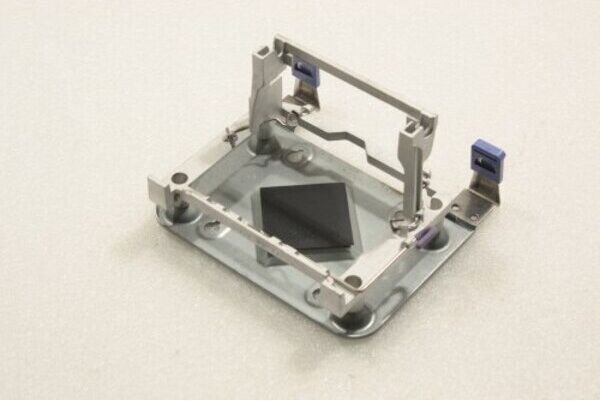

Similar search terms for Asus-X58L-CPU-Heatsink
Top-Angebote
Products related to Asus-X58L-CPU-Heatsink:


-
What is usually replaced in a CPU cooler, the fan or the heatsink?
In a CPU cooler, the fan is usually the component that is replaced more frequently than the heatsink. Fans can wear out over time due to constant use and may need to be replaced to maintain proper cooling performance. The heatsink, on the other hand, is a more durable component that typically does not need to be replaced as often unless there is physical damage or a significant decrease in cooling efficiency. **
-
Is Asus Power Enhancement harmful to the CPU?
Asus Power Enhancement is not inherently harmful to the CPU. In fact, it is designed to improve the performance of the CPU by optimizing power delivery and increasing power efficiency. However, it is important to use this feature within the recommended limits and specifications provided by Asus to avoid any potential damage to the CPU. Overclocking or pushing the CPU beyond its safe operating parameters using power enhancement features can lead to overheating and potential damage to the CPU. Therefore, it is crucial to use Asus Power Enhancement responsibly and within the recommended guidelines to ensure the safety and longevity of the CPU. **
-
Does the cooling of the CPU cooler depend more on the heatsink or the fan?
The cooling of the CPU cooler depends more on the heatsink rather than the fan. The heatsink is responsible for dissipating the heat generated by the CPU, while the fan helps to enhance the heat dissipation process by blowing air over the heatsink. However, the design and material of the heatsink play a more significant role in determining the overall cooling performance of the CPU cooler. **
-
Does the cooling of the heatsink depend on the CPU cooler fan, or on both?
The cooling of the heatsink depends on both the heatsink itself and the CPU cooler fan. The heatsink is responsible for dissipating the heat generated by the CPU, while the fan helps to move air over the heatsink to enhance the cooling process. Without the fan, the heatsink may not be able to effectively cool the CPU, especially during heavy workloads. Therefore, both components are essential for efficient cooling. **


Is a CPU upgrade possible on an Asus notebook?
Yes, it is possible to upgrade the CPU on some Asus notebooks. However, it is important to check the specific model of the notebook and its compatibility with different CPU upgrades. Additionally, upgrading the CPU may require technical expertise and could potentially void the warranty, so it is important to consider these factors before attempting an upgrade. It is recommended to consult the manufacturer's guidelines or seek professional assistance when considering a CPU upgrade on an Asus notebook. **
Is an SSD heatsink necessary?
An SSD heatsink is not always necessary, but it can be beneficial in certain situations. SSDs can generate heat during operation, and a heatsink can help dissipate this heat more effectively, potentially improving performance and prolonging the lifespan of the SSD. However, the need for a heatsink depends on factors such as the type of SSD, the workload it will be subjected to, and the overall system cooling. If the SSD will be under heavy load or in a system with limited airflow, a heatsink may be a good investment to help maintain optimal performance and reliability. **
Top-Angebote
Products related to Asus-X58L-CPU-Heatsink:
-
Is the CPU cooler heatsink slightly crooked?
To determine if the CPU cooler heatsink is slightly crooked, you can visually inspect the cooler to see if it is not aligned properly with the CPU. You can also use a level or ruler to check if the heatsink is parallel to the surface of the motherboard. If the heatsink appears to be slightly crooked, it may affect the cooling performance and should be adjusted to ensure proper contact with the CPU. **
-
How do I attach a heatsink to a Pentium 1 CPU?
To attach a heatsink to a Pentium 1 CPU, you will need to first apply a thin layer of thermal paste on top of the CPU. Then, carefully place the heatsink on top of the CPU, making sure it aligns with the mounting holes on the motherboard. Once the heatsink is in place, secure it using the appropriate mounting mechanism, such as clips or screws. Make sure the heatsink is firmly attached to the CPU to ensure proper heat dissipation. **
-
What is usually replaced in a CPU cooler, the fan or the heatsink?
In a CPU cooler, the fan is usually the component that is replaced more frequently than the heatsink. Fans can wear out over time due to constant use and may need to be replaced to maintain proper cooling performance. The heatsink, on the other hand, is a more durable component that typically does not need to be replaced as often unless there is physical damage or a significant decrease in cooling efficiency. **
-
Is Asus Power Enhancement harmful to the CPU?
Asus Power Enhancement is not inherently harmful to the CPU. In fact, it is designed to improve the performance of the CPU by optimizing power delivery and increasing power efficiency. However, it is important to use this feature within the recommended limits and specifications provided by Asus to avoid any potential damage to the CPU. Overclocking or pushing the CPU beyond its safe operating parameters using power enhancement features can lead to overheating and potential damage to the CPU. Therefore, it is crucial to use Asus Power Enhancement responsibly and within the recommended guidelines to ensure the safety and longevity of the CPU. **
Similar search terms for Asus-X58L-CPU-Heatsink
-
Asus PRIME LC 240 ARGB 240mm Liquid CPU CoolerElegant Cooling Experience top-notch cooling performance, effortless installation, and stunning aesthetics with the Prime LC 240 ARGB. This advanced CPU cooler features a specially designed contact area for efficient heat dissipation, ensuring stable performance even during intense workloads. Pre-installed ARGB fans enhance your PC DIY experience, while a single cable simplifies cable management for a cleaner setup. Additionally, the customisable infinity mirror lenses in the water block allow f89,49 £*Shipping: 0,00 £Secure redirect to the provider
-
Does the cooling of the CPU cooler depend more on the heatsink or the fan?
The cooling of the CPU cooler depends more on the heatsink rather than the fan. The heatsink is responsible for dissipating the heat generated by the CPU, while the fan helps to enhance the heat dissipation process by blowing air over the heatsink. However, the design and material of the heatsink play a more significant role in determining the overall cooling performance of the CPU cooler. **
-
Does the cooling of the heatsink depend on the CPU cooler fan, or on both?
The cooling of the heatsink depends on both the heatsink itself and the CPU cooler fan. The heatsink is responsible for dissipating the heat generated by the CPU, while the fan helps to move air over the heatsink to enhance the cooling process. Without the fan, the heatsink may not be able to effectively cool the CPU, especially during heavy workloads. Therefore, both components are essential for efficient cooling. **
-
Is a CPU upgrade possible on an Asus notebook?
Yes, it is possible to upgrade the CPU on some Asus notebooks. However, it is important to check the specific model of the notebook and its compatibility with different CPU upgrades. Additionally, upgrading the CPU may require technical expertise and could potentially void the warranty, so it is important to consider these factors before attempting an upgrade. It is recommended to consult the manufacturer's guidelines or seek professional assistance when considering a CPU upgrade on an Asus notebook. **
-
Is an SSD heatsink necessary?
An SSD heatsink is not always necessary, but it can be beneficial in certain situations. SSDs can generate heat during operation, and a heatsink can help dissipate this heat more effectively, potentially improving performance and prolonging the lifespan of the SSD. However, the need for a heatsink depends on factors such as the type of SSD, the workload it will be subjected to, and the overall system cooling. If the SSD will be under heavy load or in a system with limited airflow, a heatsink may be a good investment to help maintain optimal performance and reliability. **
* All prices are inclusive of VAT and, if applicable, plus shipping costs. The offer information is based on the details provided by the respective shop and is updated through automated processes. Real-time updates do not occur, so deviations can occur in individual cases. ** Note: Parts of this content were created by AI.